

When athletes are sidelined by injury, their minds often race backward and forward—replaying the moment of injury, worrying about lost progress, or fearing re-injury. Mindfulness-based interventions (MBIs) can be powerful tools for helping them return to the present moment and reconnect with their bodies during rehabilitation.
Staying Present During Recovery
Injured athletes frequently find themselves stuck between past and future. Mindfulness brings awareness back to right now—to sensations, breathing, and small moments of progress. This shift allows for more realistic appraisals and better coping. By learning to attend to what’s happening in the body moment-to-moment, athletes often experience pain as less intense and more impermanent. Stress and anticipatory anxiety also tend to decrease.
Research supports this connection. Elite endurance athletes often use associative strategies—staying connected to the body—rather than dissociative distractions. That same principle applies in injury recovery: the more mindful an athlete becomes, the more adaptable and self-regulated they are. Mindfulness helps “set the stage” for flow states, even when skill levels are temporarily compromised by injury.
Techniques That Work
Two of my favorite MBIs in general, and for rehabilitation, involve resonance frequency breathing and a reflective exercise called the Mind-Body ABCs.
Resonance frequency breathing uses heart-rate variability (HRV) biofeedback to identify a personalized breathing rate that optimizes physiological coherence. Once established, athletes practice mindful breathing with a pacing app—ideally 20 minutes twice daily, though frequency is negotiated based on each athlete’s readiness. Over time, athletes learn to distinguish between diaphragmatic and thoracic breathing, increasing self-awareness and control.
The Mind-Body ABCs integrate principles of Rational-Emotive Behavior Therapy (REBT) and Cognitive Behavioral Therapy (CBT) with mindfulness and acceptance. Rather than trying to “force” cognitive change, athletes learn to observe thoughts and sensations with compassion, reflect on adaptive versus maladaptive reactions, and rehearse mindful re-engagement. The emphasis is not on suppressing thoughts, but on accepting and shifting them—bridging the best of CBT and acceptance-based approaches.
Measuring Progress
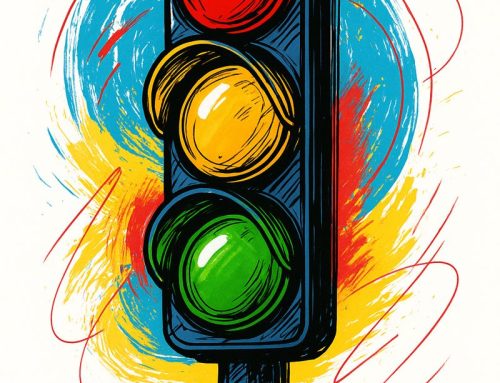
Progress is both observable and felt. The Reaching Ahead Mental Performance Questionnaire (RAMP-Q) provides a structured way to track changes in skills like “mindful attention.” Biofeedback sessions offer immediate, visible proof of improvement—what one might call “mindfulness on steroids.” Exercises like “Red Light, Green Light” train athletes to move between dysregulation and self-regulation, and over time, those transitions become quicker and more automatic.
The Role of Compassion and Non-Attachment
A key ingredient in any mindfulness work—especially during injury—is self-compassion. Practitioners, too, must avoid attachment to instant success. Mindfulness isn’t about forcing improvement; it’s about developing tolerance and awareness. As Inna Kazan wisely puts it, “Mindfulness is about getting better at feeling, not feeling better.” When athletes and clinicians embrace this paradox, outcomes often improve naturally.
Meeting Athletes Where They Are
Delivery and framing matter. For some athletes, mindfulness may sound too “woo-woo,” especially in younger or team-sport contexts. Success often depends on packaging mindfulness in relatable, structured ways—grounded in breathing exercises, biofeedback data, or goal-focused reflections. Normalizing discomfort, skepticism, or laughter during early sessions can turn awkwardness into insight.
Frequency and Integration
Consistency matters more than perfection. While research protocols often suggest 20 minutes twice a day, meaningful benefits can occur with as little as 7 minutes daily. The goal is to build sustainable habits: mindful breathing while watching TV, quick Mind-Body ABC reflections before bed, or short breathing resets during rehab exercises. Over time, self-regulation becomes automatic.
Broader Impact on Sport and Performance Psychology
Mindfulness is no longer a fringe concept—it has become a mainstream pillar of applied sport and performance psychology. Increasingly, practitioners recognize that mindfulness isn’t a single “skill,” but a way of being woven through all interventions: goal-setting, imagery, communication, and beyond. As the field matures, integration rather than isolation of mindfulness will likely define best practice.
Final Tips for Other Practitioners
For practitioners, cultivating mindfulness personally—through retreats, reflection, reading, or biofeedback training—deepens firsthand understanding of what’s offered to clients. Biofeedback reveals a key paradox: when we try to control our physiology, we often make it worse; when we allow it, balance emerges. The same is true for athletes recovering from injury—the more they can allow, the more they can heal.






Leave a Reply